


Smart, Flexible, and Future-Ready: Exploring HKUST’s Pioneering Adaptive Structures Research
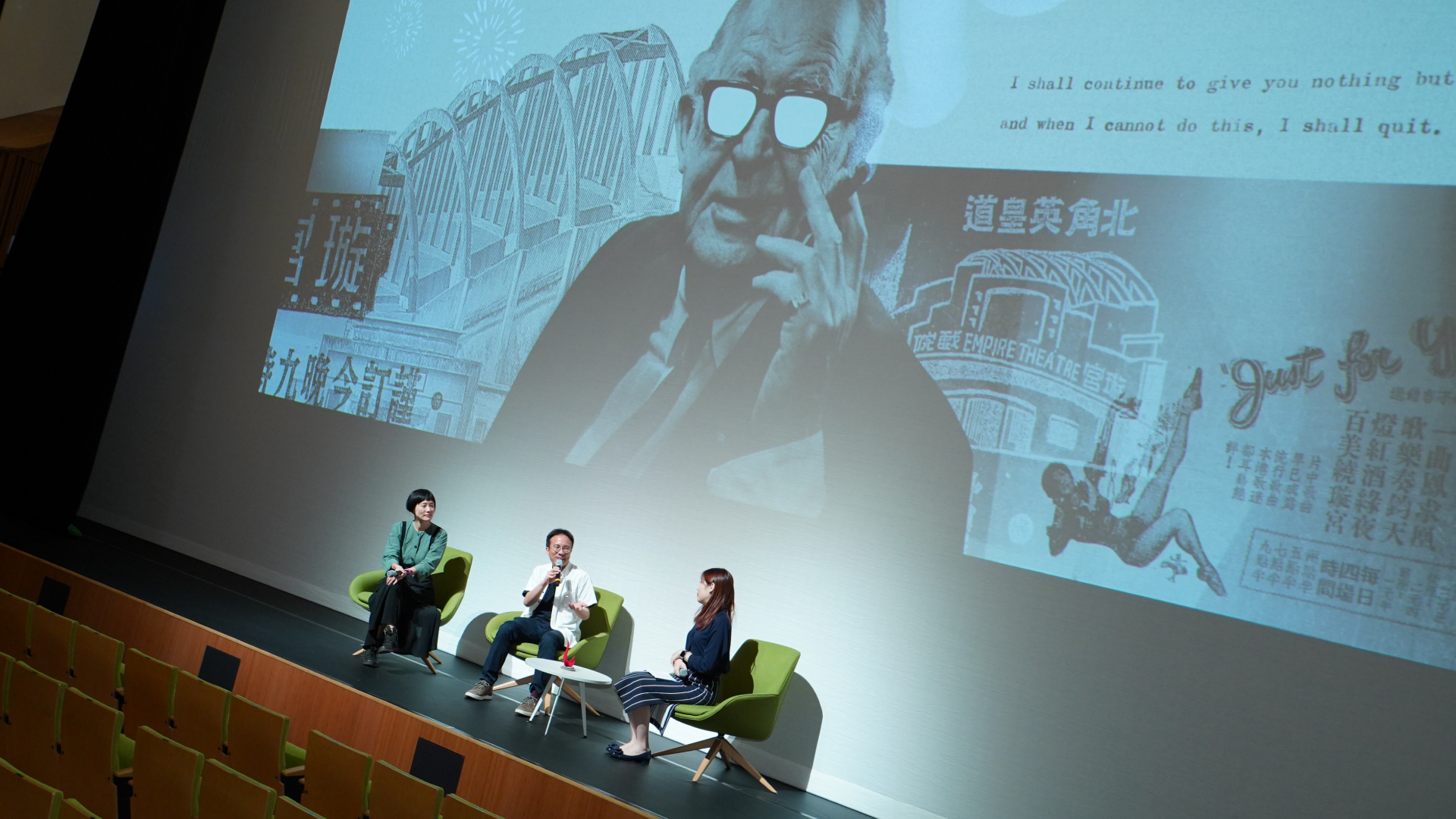
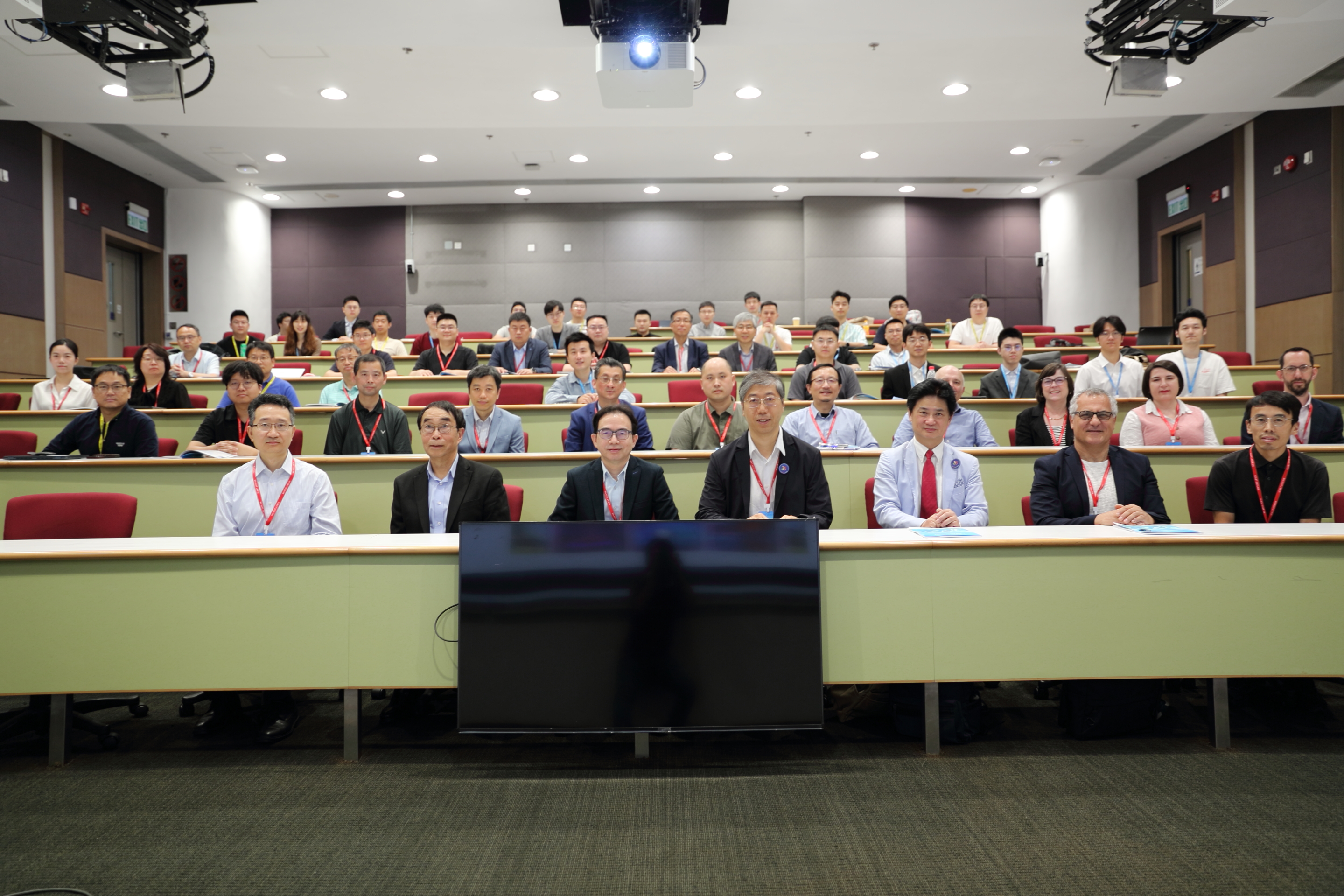
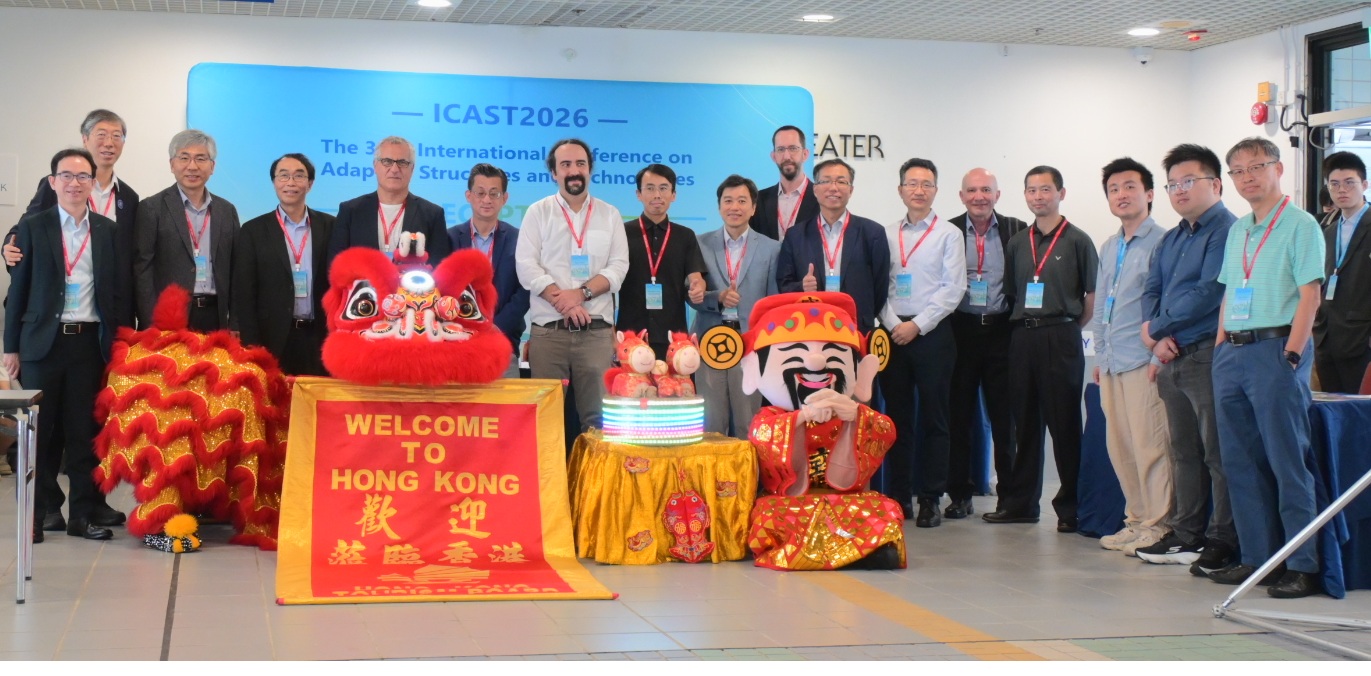
HKUST’s pre-eminence in adaptive structures and technologies was featured at a recent international conference hosted by Prof. Zhengbao YANG of the School of Engineering.
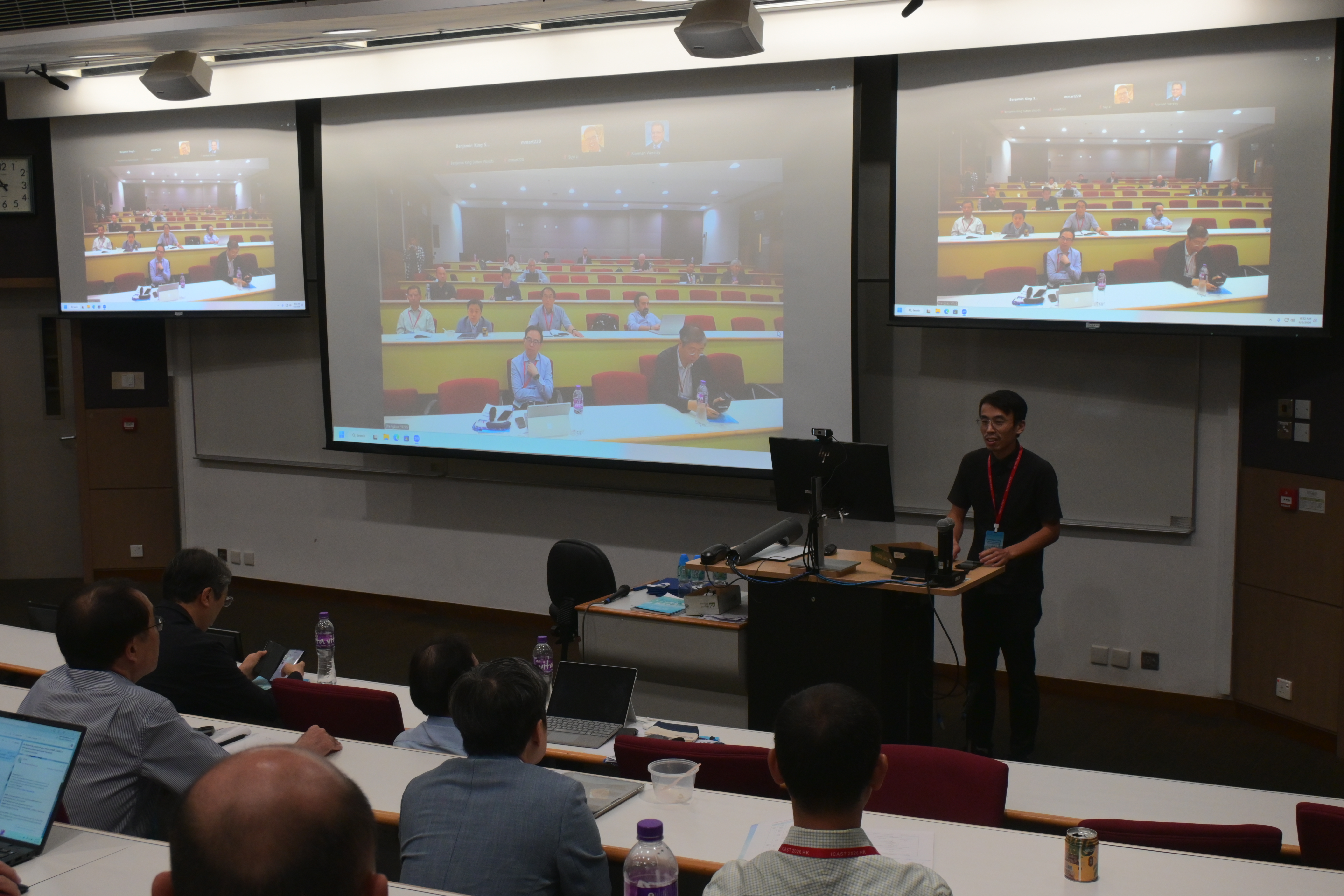
Boundless: Thanks for your time, Prof. Yang. Was this the first time the International Conference on Adaptive Structures and Technologies, or ICAST, has been held at HKUST?
Prof. Yang: Yes, this is HKUST’s first time hosting ICAST. It is a highly regarded series that began in 1990 as a US–Japan collaboration in Maui, Hawaii. Over the past three decades, ICAST has been hosted across North America, Asia, and Europe. We were delighted to host the 35th edition of this series at HKUST.
Boundless: What are HKUST’s strengths in adaptive structures and technologies?
Prof. Yang: Several faculty members are working in this field, and more than ten joined the event. Their contributions include piezoelectric materials, ferroelectric effects, composite materials, sensors and actuators, ultrasound, micro-robots, metamaterials, acoustics, vibration, aerospace engineering, 3D printing, and soft matter.
Boundless: Can you briefly introduce any ongoing HKUST research projects on adaptive structures?
Prof. Yang: I’d like to share insights from my research on piezoelectric materials and structures. As I see it, energy is the foundation that makes everything work, so I focus on piezoelectric materials and micro-energy harvesting. Building on my understanding of electromechanical energy conversion, I’ve performed both deep theoretical and hands-on experimental work, combining my knowledge of vibration, electronics, materials, and manufacturing.
My key results include: (1) developing a new method to design and fabricate 3D interconnected, flexible piezoelectric materials and using them in flexible energy harvesters; (2) studying nonlinear vibration and how circuit coupling affects power-generation efficiency; and (3) working on self-charging face masks to help address COVID-19, translating research into real-world impact beyond the lab.
Boundless: Can you briefly outline some significant examples of the application of adaptive structures that HKUST has helped to implement?
Prof. Yang: In 2024, our team developed a sensor array design technology inspired by the human auditory system. We assigned a unique frequency to each sensor unit and used its signal to modulate the amplitude of the frequency signal. This approach can address traditional issues in sensor array design, including complex wiring, limited reconfigurability, and low damage resistance.
In the same year, we designed a surface-tension-assisted two-step (STATS) processing strategy to fabricate cellular ceramics with programmed 3D cell-based configurations. This strategy overcomes limitations of traditional additive manufacturing (3D printing) to simplify and accelerate production of geometrically complex cellular ceramics.
Moreover, our team developed a novel technique in 2023 to self-assemble a thin layer of amino acids with ordered orientation over a large area, demonstrating high piezoelectric strength. This development makes it more feasible to manufacture biocompatible and biodegradable medical microdevices, such as pacemakers and implantable biosensors, in the near future.
Boundless: What are the major trends in the development of smart materials for adaptive structures? How can sensing technology be integrated into such structures?
Prof. Yang: Major trends include the development of active or field-dependent materials, shape memory materials (alloys, polymers, etc), and ferroelectrics and piezoelectrics.
In recent years, we have also seen significant development of structures and structural systems such as adaptive or smart structural systems; active vibration control and reduction systems; wave control and manipulation systems; leveraging and understanding nonlinearities; passive, semi-active, and active damping systems; and bioinspired structures and robotics.
The scope of sensing technology applications is remarkably broad, spanning aerospace, automotive, and naval activities; damage prognosis and structural health monitoring; medical applications; multifunctional textiles; wearable technologies; and wireless data/power transfer.
For more information on adaptive structures and technologies and Prof. Yang’s research, please refer to Prof. Yang’s Smart Transducers and Vibration Lab (STVL) for details.
Sign Up for Our Latest News
Latest News
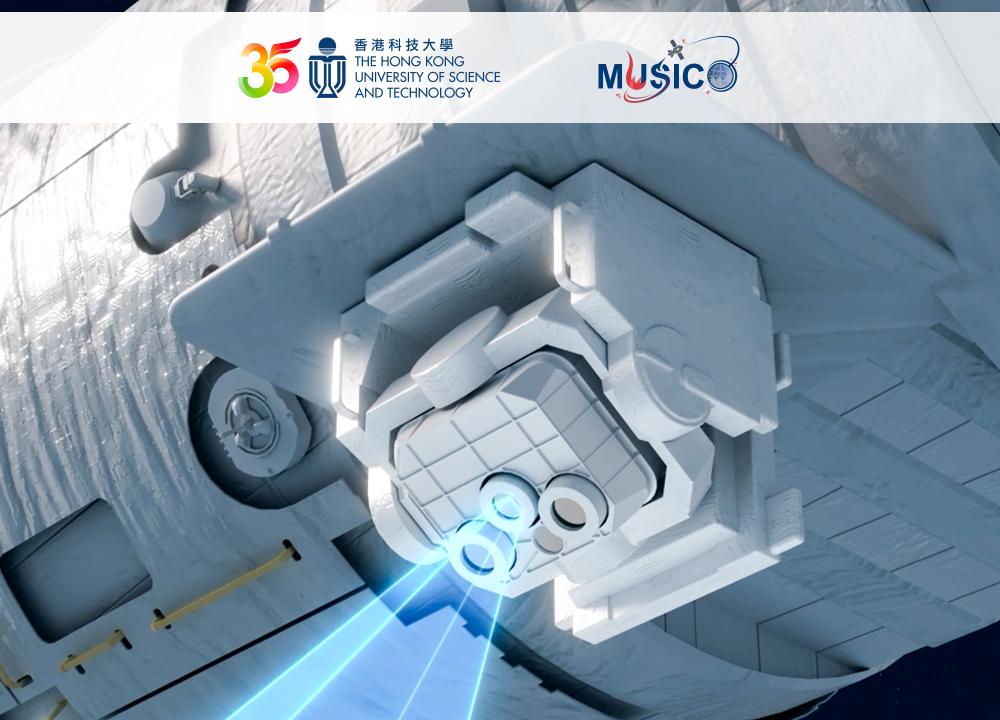
香港科技大學(科大)牽頭研製的全球首款輕小型、高分辨率、高精度二氧化碳(CO₂)與甲烷(CH₄)點源協同探測儀「天韻相機」(MUSICO)日前由香港首位載荷專家黎家盈博士及另外兩位航天員在軌組裝檢測,並成功安裝於中國「天宮」太空站外指定載荷掛點位置,正式投入運作。儀器將於未來兩年或更長時間提供自主、可控且具高精準度的二氧化碳與甲烷排放監測數據。相關成果將與政府部門及科研機構共享,為應對氣候變化及推動全球可持續發展作出貢獻。
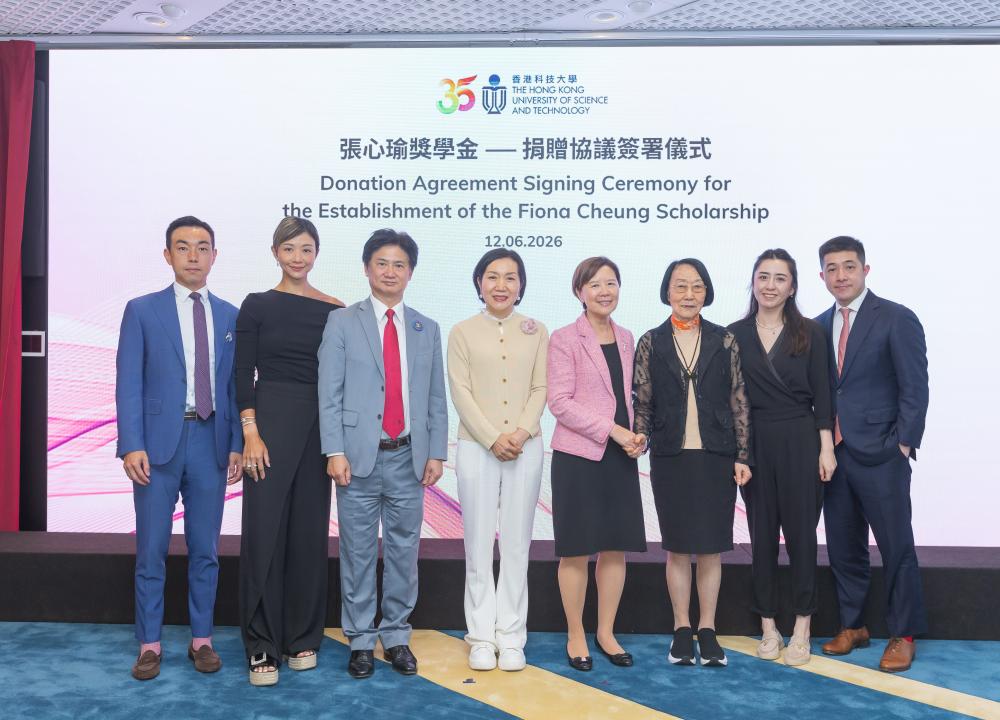
A generous donation from one of Hong Kong’s leading entrepreneurs marks the first scholarship specifically designated for HKUST’s Major + AI program, reinforcing the University’s mission to nurture talent with an interdisciplinary mindset and the ability to integrate AI across disciplines to solve real-world challenges.
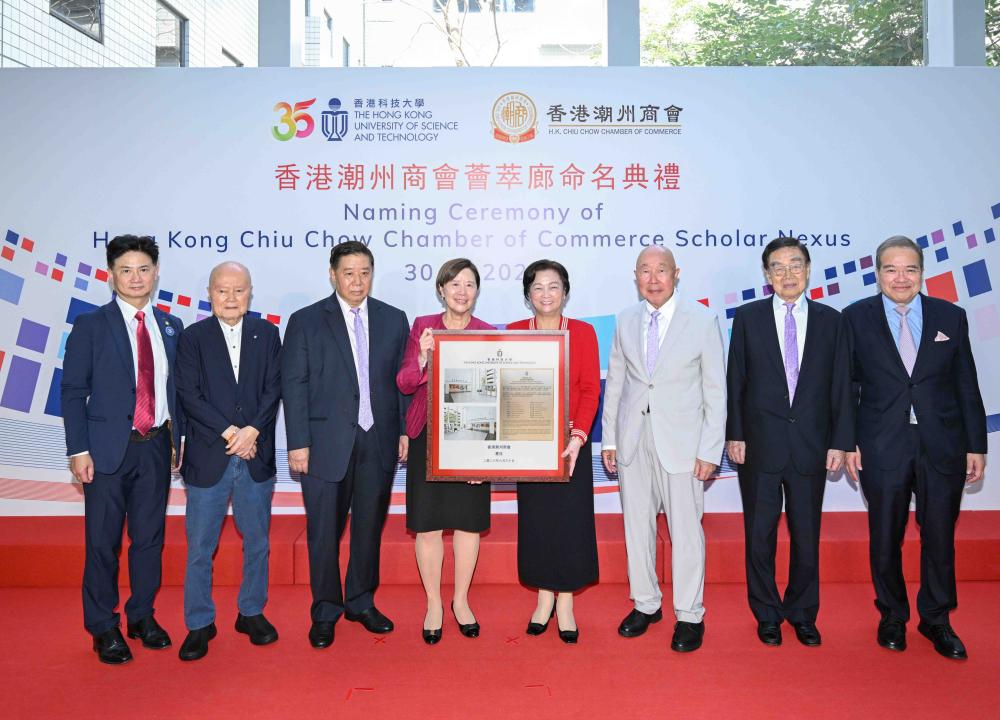
The Hong Kong University of Science and Technology (HKUST) has received a generous donation from the Hong Kong Chiu Chow Chamber of Commerce (The Chamber) to support the University’s academic development and research innovation. The donation will also establish a scholarship scheme to encourage HKUST students to explore their potential beyond academics, while promoting exchange of Chinese culture and technology.